
Buford's Vision
June 30, 1863

162 years ago today Robert E Lee’s Army of Northern Virginia was spread out across south central Pennsylvania in an effort to continue their recent string of victories and find a way to help end the war in their favor. He was using similar tactics that he had used 9 months before, that hadn’t provided the result he was hoping for. In fact, his retreat back to Virginia after the bloody battle of Antietam allowed President Lincoln to issue his Emancipation Proclamation…freeing the slaves in “the states in rebellion”. But since then Lee had won two victories against the Army of the Potomac in Virginia and he was feeling invasion was the right choice again to help end the war and allow the Confederate States of America to exist with slavery intact.
The Army of the Potomac would leave Washington hunting for Lee’s army with Jno. Buford’s Cavalry out front scouting.
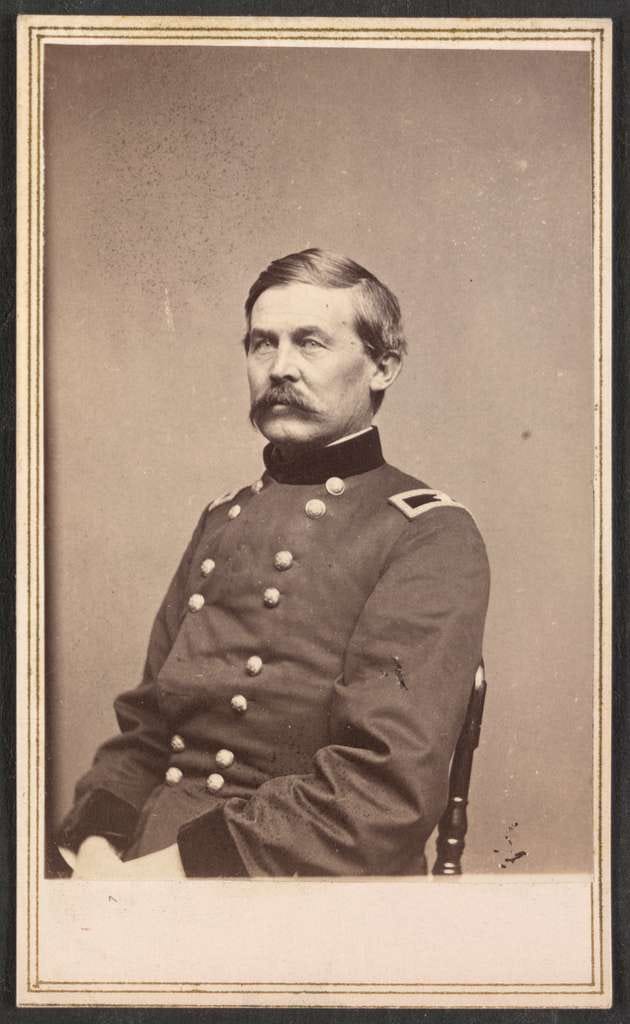
Buford was an experienced officer having fought Indians in the west, before the Rebels had fired on Ft. Sumter in 1861.
Buford’s mounted scouts were able to determine the locations of some of Lee’s troops and report back to him. He took that information and decided to set up a defensive position on a ridge with his troops dismounted and using the advantage of their Sharps Carbine repeating rifles.
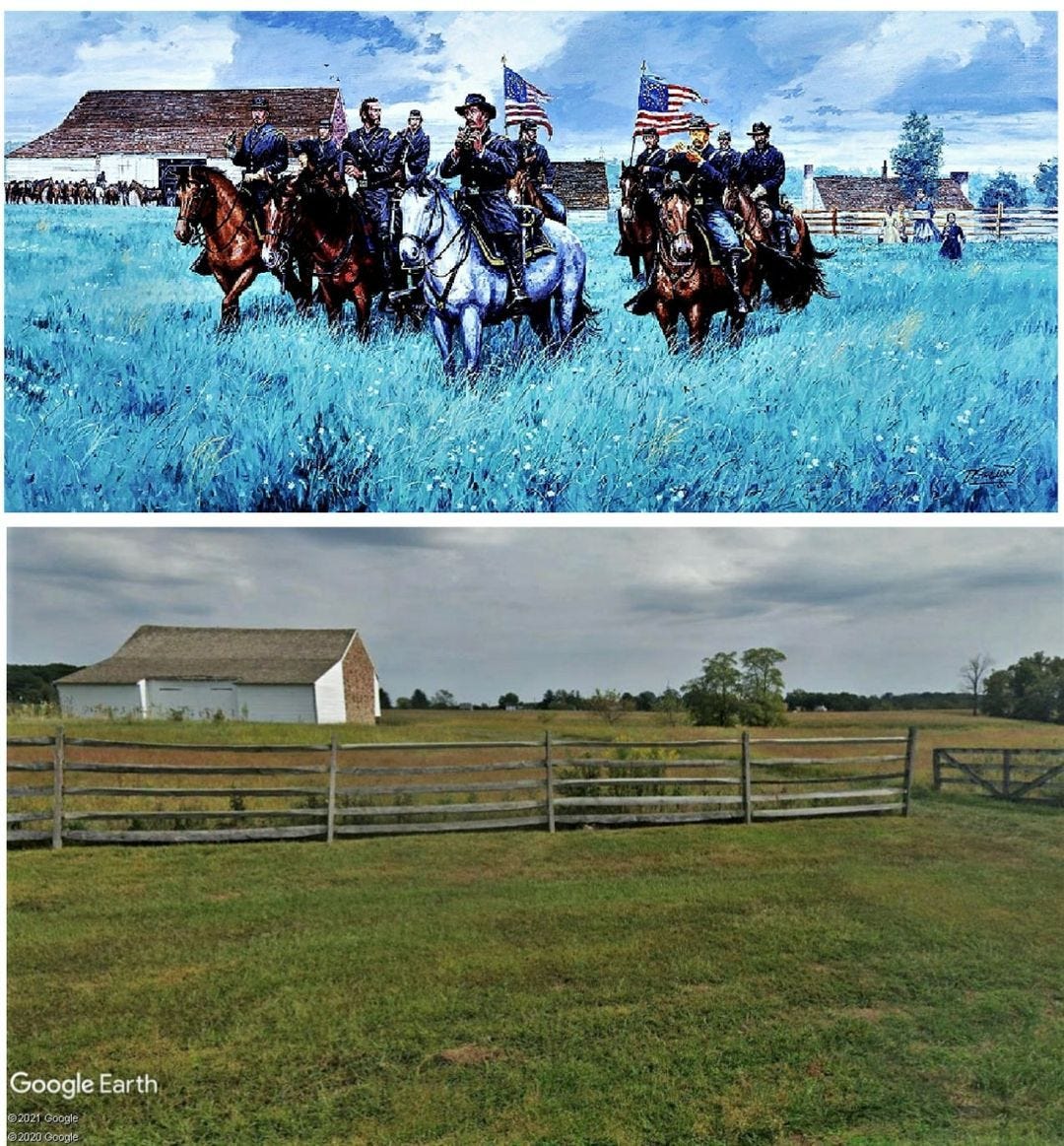
He figured that he could hold out against a larger force, that would have to cross a creek and would have single shot weapons for long enough to allow the new commander General Meade, to bring up the main body of the army and give Bobby Lee a fight in the fields and hills around the farm town of Gettysburg.
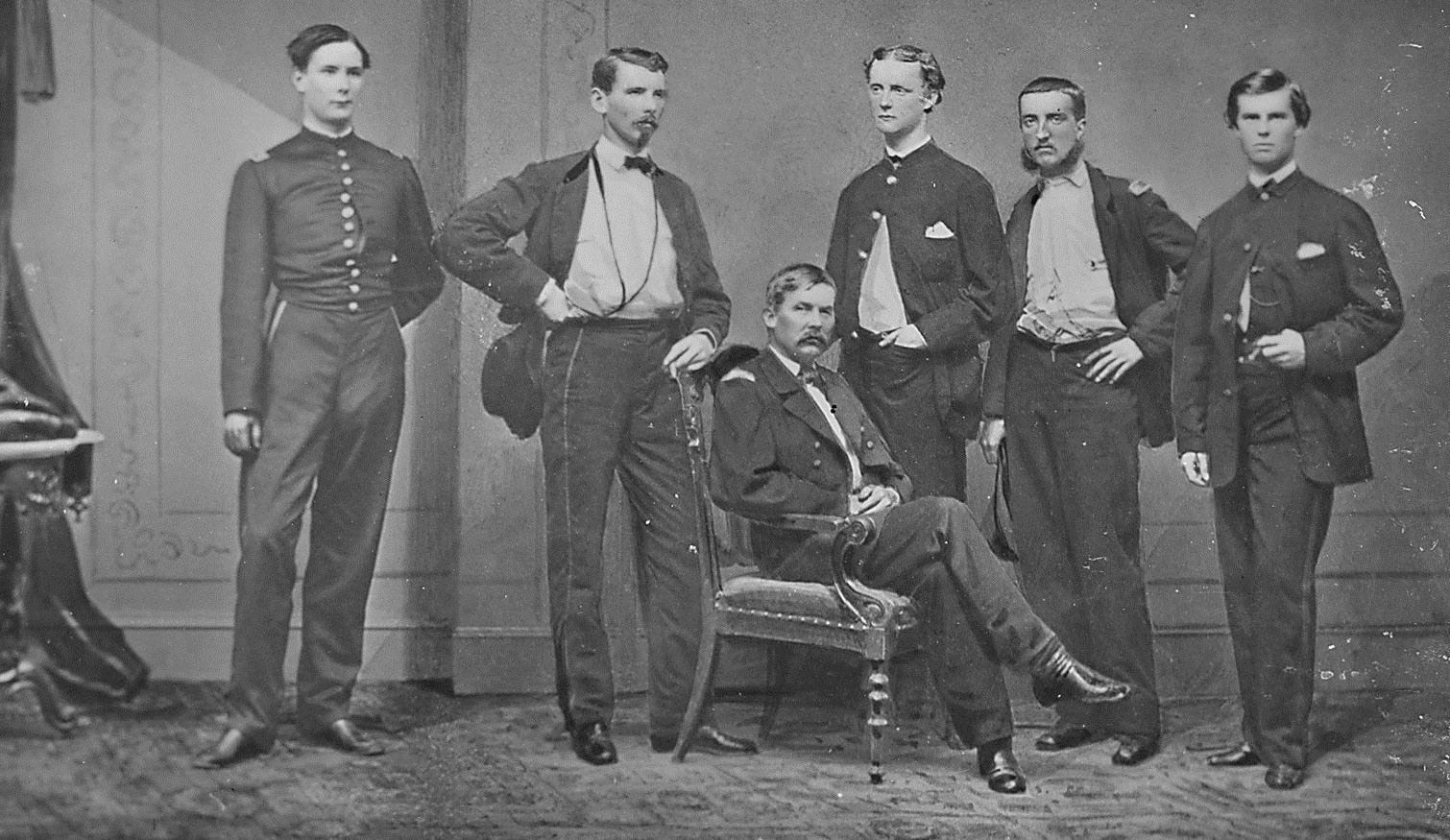
His crystal ball was working pretty well that day and his predictions based on his vision of the situation played out over the next 3 days in the largest land battle ever fought in the Western Hemisphere…with Lee retreating once again back to Virginia.
Buford wasn’t very well known until Michael Shaara wrote about him in the Killer Angels and then Sam Elliott played him in the film Gettysburg.
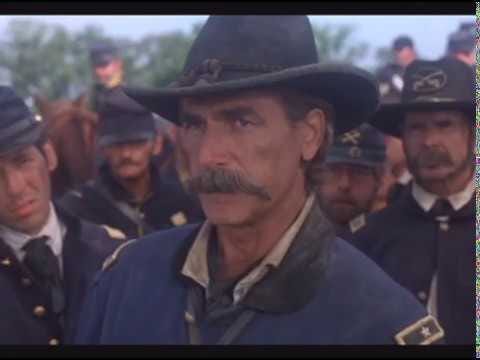
June 30 and July 1 are good days to learn about and celebrate Jno. Buford and his vision. The novel and the film are well worth your time.
Based on your recommendation, I read that book last year. It's quite a fine work. I suspect he wasn't far off on his characterization. And he was spot on in describing the horrors of war. Something privileged toadies in DC should know and care more about. How easily they drop their bombs.
Any other Civil War books to suggest? I need to escape into the past.